
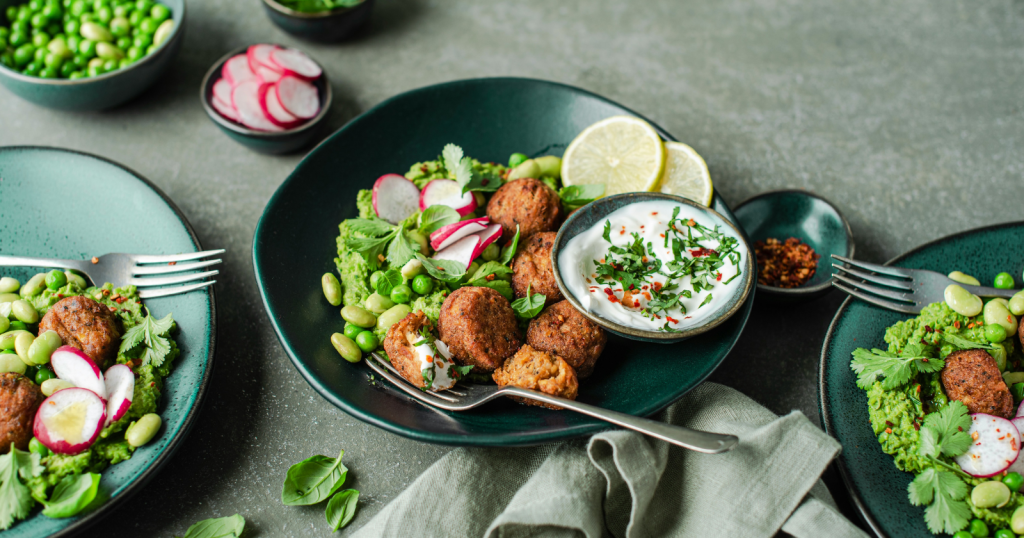
Beyond Tofu: Explore 7 Plant-Based Proteins for a Better Plate
Tired of the same old tofu? There’s a world of plant-based proteins that are better for the planet and your health. These foods offer various nutrients, support diverse farming, and cut down on emissions. Switching up your protein sources is a win-win for both you and the environment.
Why Diversify Your Protein?
Tofu is a popular choice, but broadening your protein intake provides a range of amino acids. This practice promotes a healthy gut microbiome and supports smaller-scale farmers who don’t grow soy. Livestock farming, on the other hand, accounts for nearly 14.5% of global greenhouse gas emissions, according to the UN Food & Agriculture Organization.
Climate-food analyst Dr. Hannah Ritchie from Our World in Data, points out that replacing even one animal-based meal daily with pulse or grain-based protein can significantly decrease dietary emissions. The benefits extend to both physical health and the health of the planet. Varying the proteins you consume promotes resilience.
1. Lupini Beans: The Mediterranean Muscle Builder
Lupini beans offer a briny, toothsome texture, like firm butter beans crossed with olives. They are an excellent option for a protein source. These beans enrich the soil with nitrogen, diminishing the need for fertilizers in surrounding crops. A single cup provides 26 grams of protein, with barely any net carbs.
To prepare, purchase vacuum-packed, ready-to-eat lupini and rinse them to reduce saltiness. Then, combine them with diced tomatoes, parsley, lemon juice, and a drizzle of olive oil. Serve as a protein-rich “ceviche” or add them to grain bowls. If the beans still taste bitter, soak them overnight in fresh water with a splash of vinegar, and then rinse again.
2. Seitan: The Wheat-Based Wonder
Seitan has a chewy, “meaty” texture. This characteristic makes it perfect for absorbing sauces. It’s a good fit for fajita strips or satay skewers. Wheat protein is the base of seitan. Wheat farming emits less CO₂ per gram of protein compared to beef. The World Resources Institute notes that growing wheat releases 45 times less CO₂ than beef per gram of protein.
To make seitan, combine one cup of vital wheat gluten with 3 tablespoons of nutritional yeast. Blend in a cup of broth, 2 tablespoons of soy sauce, 1 tablespoon of tahini, and minced garlic. Knead for two minutes, let it rest for five. Then slice into cutlets. Simmer the cutlets in broth for 30 minutes, allow to cool, and then marinate or grill. Cooked seitan can be frozen before slicing, enabling clean, deli-style cuts every time.
3. Hemp Hearts: Tiny Seeds, Huge Stats
Hemp hearts have a nutty, buttery taste, similar to sesame. These seeds are easy to use because they don’t have a shell. They need minimal pesticides and trap carbon. Just three tablespoons supply 10 grams of protein. They also provide the perfect 3:1 omega-6 to omega-3 ratio. Dieticians say this.
Try stirring ¼ cup of hemp hearts into your morning oatmeal to create a creamy swirl. Blend equal parts hemp, basil, and lemon juice to make a five-minute pesto. Also, try sprinkling them over roasted vegetables. Store hemp hearts in the refrigerator for freshness, as their healthy fats stay fresh longer.
4. Mycoprotein: Fungi to the Rescue
Mycoprotein, like Quorn or Meati, has a mild, chicken-like fiber that pulls apart easily. According to mycoprotein, it needs up to 90% less land and water than poultry to produce. Mycoprotein is a complete protein that has all nine essential amino acids.
Defrost mycoprotein fillets or grounds. Pan-sear them with avocado oil for about three minutes on each side. Next, glaze them with a gochujang-maple sauce and finish under the broiler for a minute. You can grate frozen mycoprotein cutlets on a box grater to create a fast taco crumble.
5. Black-Eyed Pea Tempeh: Southern Comfort, Indonesian Craft
Black-eyed pea tempeh features earthy, nutty blocks with visible pea halves. It’s less soy, more soul. Fermentation boosts B vitamins and lowers phytic acid, which helps mineral absorption. These peas thrive in semi-arid climates, helping farmers in drought-prone areas.
Steam tempeh cubes for ten minutes to mellow the bitterness. Marinate them in maple syrup, smoked paprika, and apple cider vinegar. Air-fry at 400°F for 12 minutes, and shake once. Serve over creamy grits or in BBQ sandwiches. Crumble any leftovers into chili the next day to deepen the flavor.
6. Green Lentil Pasta: Noodles with Benefits
Green lentil pasta has an al dente texture similar to whole-wheat spaghetti, but earthier. A 2-oz serving has 21 grams of protein and 11 grams of fiber. Lentils require only 50 gallons of water per pound, versus beef’s 1,800 gallons. They provide slow-burn carbs that stabilize blood sugar, promoting sustained energy.
Boil the pasta in heavily salted water for six to seven minutes. Sauté garlic and cherry tomatoes in olive oil in a skillet. Toss the pasta directly into the pan from the pot. Add some cooking water. Top with basil, capers, and plant-based parmesan. It’s best to undercook the pasta by one minute if you plan to reheat it, preventing it from getting mushy.
7. Peanut Butter Powder: Shelf-Stable Stealth Protein
Peanut butter powder offers roasted-peanut flavor, without the oil. Adding it to liquids makes it creamy again. Pressing out the oil reduces calories by 70% while keeping 7–8 grams of protein per 2 tablespoons. Peanuts fix nitrogen and can grow in rotation with corn or cotton, improving soil quality.
Combine 2 tablespoons of the powder with 1 cup of plant milk for a quick shake. Whisk it into hoisin, lime, and chili for a satay dip. Dust it over banana slices, then lightly torch for a “s’mores” vibe. For overnight oats, sub one-third of the oats with the powder, which thickens and flavors the mix.
Tips for Buying and Storing
Shop bulk when feasible. Dry lentils and wheat gluten come without plastic and are less expensive per pound. Freeze leftovers, like seitan, mycoprotein, and tempeh, to minimize food waste. Opt for ingredients with minimal additives. Look for short ingredient lists. Lupini jars should only contain beans, water, and salt, and peanut powders should not contain excess sugars.
The Larger Picture
Rotating proteins means a wider variety of micronutrients, such as iron from lentils, magnesium from hemp, and selenium from wheat. This dietary diversity supports gut bacteria linked to mood and immunity. Shifting global diets toward plant proteins could cut emissions. Project Drawdown says this cut could be equal to India’s annual output by 2050.
Many of these foods, such as lupini in Italy and black-eyed peas in the American South, have cultural heritage. Purchasing them supports small producers who are reviving traditional crops and recipes.
Embrace Protein Variety
If you thought tofu was the only vegan protein hero, think again. Start exploring the world of plant-based proteins. Each one presents new textures, backs sustainable farming, and makes your dinner exciting. Try one swap this week and help your taste buds and the planet.
