
Global Creators Slam EU AI Act Implementation
Rights Holders Express “Deep Disappointment” Over Generative AI Protections
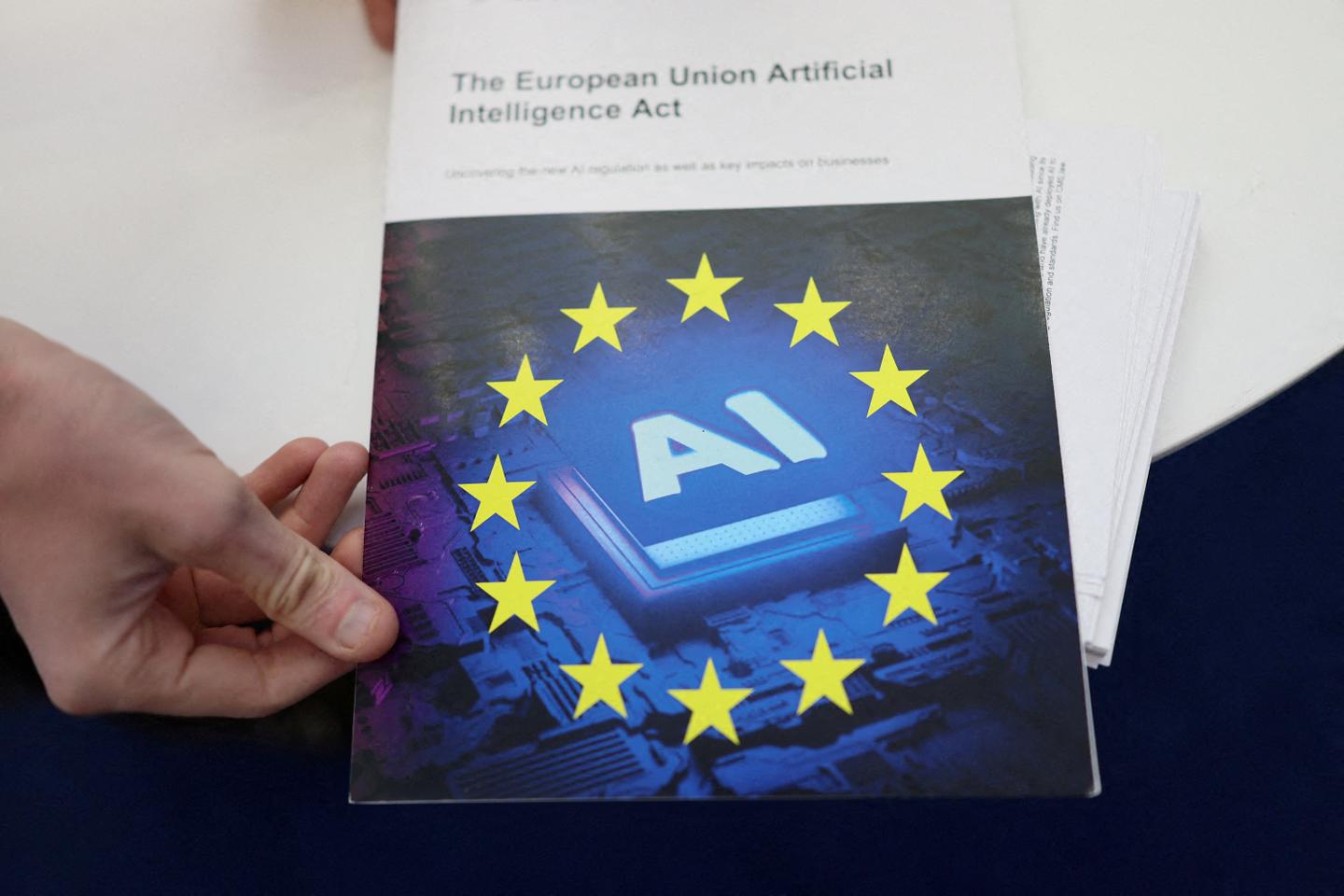
Europe’s burgeoning artificial intelligence regulations are facing a significant backlash from creators worldwide. A coalition of 38 prominent rights holders’ organizations has voiced strong dissatisfaction with the practical application of the EU’s AI law, citing a failure to protect intellectual property.
Key Concerns Ignored
The organizations, representing authors, performers, publishers, and producers, released a joint statement on Thursday, July 31. Their discontent targets the recently established “Code of Practice, the GPAI Guidelines, and the Template for disclosure of a sufficiently detailed summary of training data under Article 53 of the EU AI Act.”
The EU AI Act, which partially takes effect on Saturday, August 2, aims to regulate artificial intelligence within the bloc. However, the affected sectors feel their extensive input has been disregarded.
“Despite our extensive engagements made throughout this process, the final outcomes fail to address the core concerns which our sectors […] have consistently raised.”
—Joint Statement from 38 Global Rights Holders’ Organizations
The signatories stated that the current framework is “not a balanced compromise.” They characterized it as a missed opportunity to provide “meaningful protection of intellectual property rights in the context of GenAI [generative AI].” Furthermore, they argue the Act “does not deliver on the promise of the EU AI Act itself.”
AI Training Data Under Scrutiny
The core of the dispute appears to revolve around the transparency and licensing of data used to train generative AI models. Critics argue that without robust disclosure and protection mechanisms, AI developers can freely use copyrighted material, undermining the livelihoods of creators.
This situation mirrors broader debates occurring internationally. For instance, in the United States, authors have recently filed lawsuits against AI companies alleging copyright infringement for unauthorized use of their works in AI training datasets. One such case involves a suit filed by authors against OpenAI, claiming their books were used to train ChatGPT without permission (Source: Reuters, September 2023).
The EU’s AI Act is designed to be a comprehensive framework, classifying AI systems by risk level and imposing varying degrees of regulation. However, the dissatisfaction from the creative industries highlights a potential gap in how effectively it addresses the unique challenges posed by generative AI and its impact on intellectual property.
